
For the past decade, protein has dominated food innovation. From high-protein snacks and ready-to-drink shakes to protein-enriched bread, pasta, and desserts, the nutrient has become shorthand for health, performance, and satiety. But another nutrient is now moving from the sidelines to the center of food innovation: dietary fiber.
Fiber is the new protein does not mean protein is losing relevance. Rather, it signals a shift in how consumers, product developers, and nutrition researchers think about health. Protein remains essential for muscle maintenance, recovery, and satiety, while fiber is increasingly recognized as central to gut health, metabolic wellbeing, and long-term disease prevention. The next generation of functional foods will need to deliver both.
Why fiber is gaining momentum
Consumer interest in fiber has accelerated as gut health becomes a mainstream wellness priority. Fibermaxxing, a social-media trend encouraging people to increase their daily fiber intake, has helped bring fiber into mainstream wellness conversations, while food brands are responding with high-fiber snacks, beverages, cereals, bakery products, and meal replacements.
Fiber is no longer associated only with bran cereals or digestive supplements; it is entering categories where consumers previously expected indulgence, convenience, or taste.
This shift is also being driven by a more sophisticated understanding of the gut microbiome. Certain fibers act as prebiotics, feeding beneficial gut bacteria and supporting the production of short-chain fatty acids. These compounds are being studied for their potential roles in digestive comfort, immune function, metabolic health, and even aspects of mental wellbeing. As research evolves, fiber is moving beyond a simple good for digestion message towards a more targeted, science-led approach to preventive nutrition.
Beverage launches show how this trend is entering mainstream food categories. In 2025, PepsiCo introduced Pepsi Prebiotic Cola, containing 3 grams of prebiotic fiber per can. The Coca-Cola Company also launched Simply Pop, a prebiotic beverage containing 6 grams of prebiotic fiber. These launches illustrate how manufacturers are exploring gut-health positioning beyond traditional supplements and high-fiber cereals.
The World Health Organization recommends that adults consume at least 25 grams of naturally occurring dietary fiber per day. It also recommends obtaining carbohydrates primarily from whole grains, vegetables, fruits and pulses. This guidance reinforces the importance of fiber-rich foods in everyday nutrition.
The GLP-1 effect
The rise of GLP-1-based weight-management therapies is adding another dimension to the fiber conversation. As these medications reduce appetite and food intake, maintaining adequate nutrition becomes increasingly important. Recent clinical guidance highlights the need to protect protein intake and prevent micronutrient deficiencies during weight loss. Fiber-rich foods, including vegetables, fruits, pulses and whole grains, can also contribute to digestive health. However, fiber intake should be increased gradually, with adequate hydration and attention to individual digestive tolerance.
For food manufacturers, this creates an opportunity to design products that are not only high in protein but also rich in fiber and micronutrients. A protein bar, ready meal, or functional beverage that supports muscle maintenance while also delivering prebiotic fiber may become more relevant than a product focused on protein alone.
Formulation challenges remain
Despite growing demand, fiber innovation is not simple. Added fibers can affect taste, texture, mouthfeel, sweetness, viscosity, and digestive tolerance. Inulin, chicory root fiber, resistant starch, beta-glucans, psyllium, and other fibers each behave differently in food systems. The challenge for developers is to increase fiber content without making products gritty, overly sweet, difficult to digest, or nutritionally unbalanced.
The future lies in fiber mixing: combining different fiber types to achieve specific functional benefits while maintaining sensory quality. This approach may allow brands to create foods that support gut health, satiety, and nutrient delivery without compromising on taste or convenience.
From trend to food-system opportunity
Fiber is also a sustainability story. Fiber-rich ingredients such as whole grains, pulses, millets, fruits, vegetables, and upcycled plant materials can reduce reliance on refined ingredients while adding nutritional value. In markets such as India, traditional grains and pulses offer a particularly strong foundation for fiber-forward innovation that connects heritage food knowledge with modern nutrition science.
The real opportunity is not to replace protein with fiber, but to design foods where both work together. Protein supports strength and satiety; fiber supports digestion, microbial health, and long-term metabolic wellbeing. Together, they can redefine what functional food means for everyday consumers.
Join the conversation
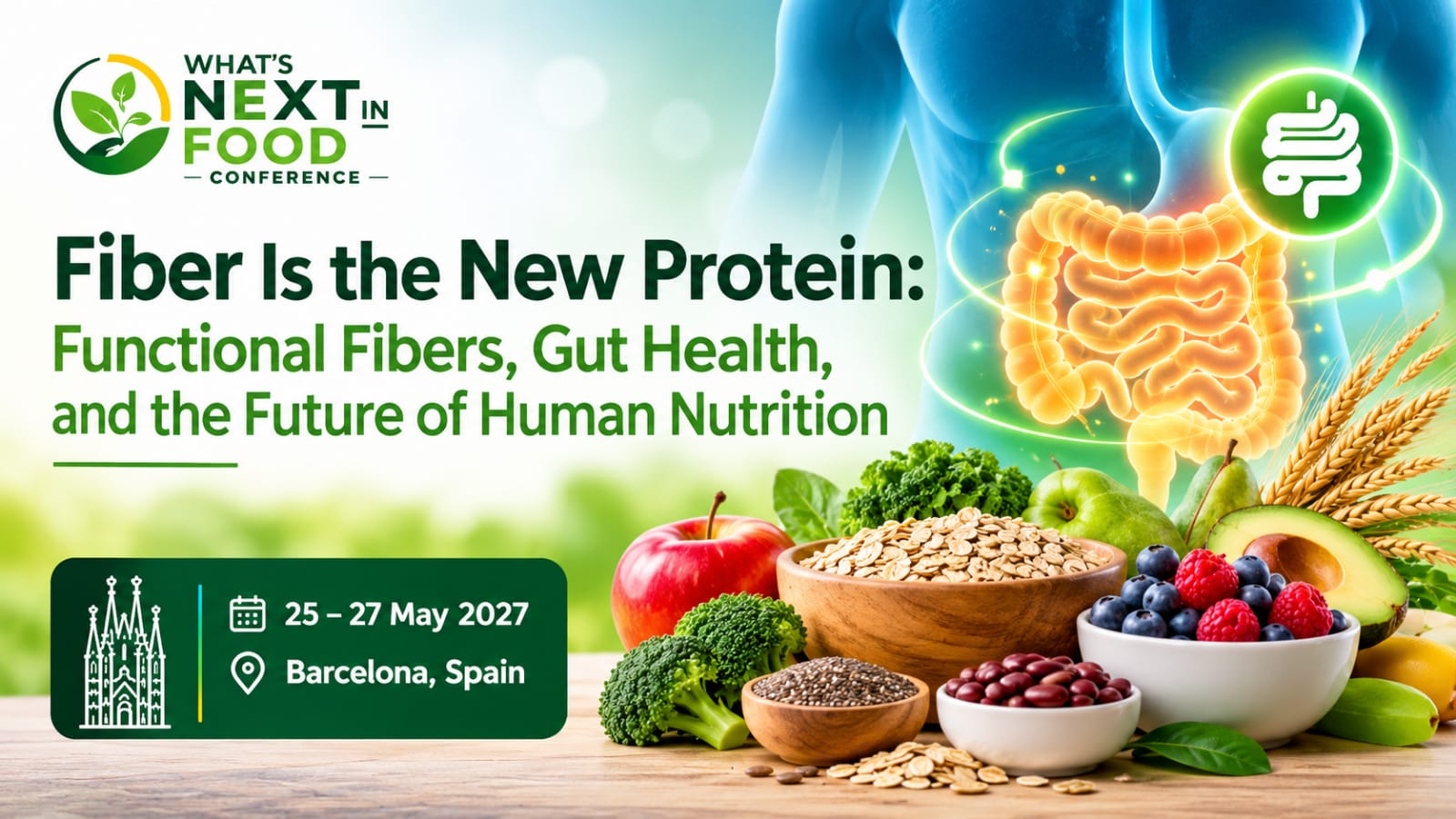
The What’s Next in Food Conference, taking place in Barcelona from 25–27 May 2027, brings together researchers, food scientists, nutrition experts, innovators, and industry leaders to explore the future of food systems, nutrition, food safety, and sustainable food technologies.
Be part of the conversation shaping the future of food.
Register now:https://nextinfood.com/